Free Newsletter

Why Your Best Employees Are Quietly Losing Their Edge
Jaime Raul Zepeda of Best Companies Group//June 9, 2026//
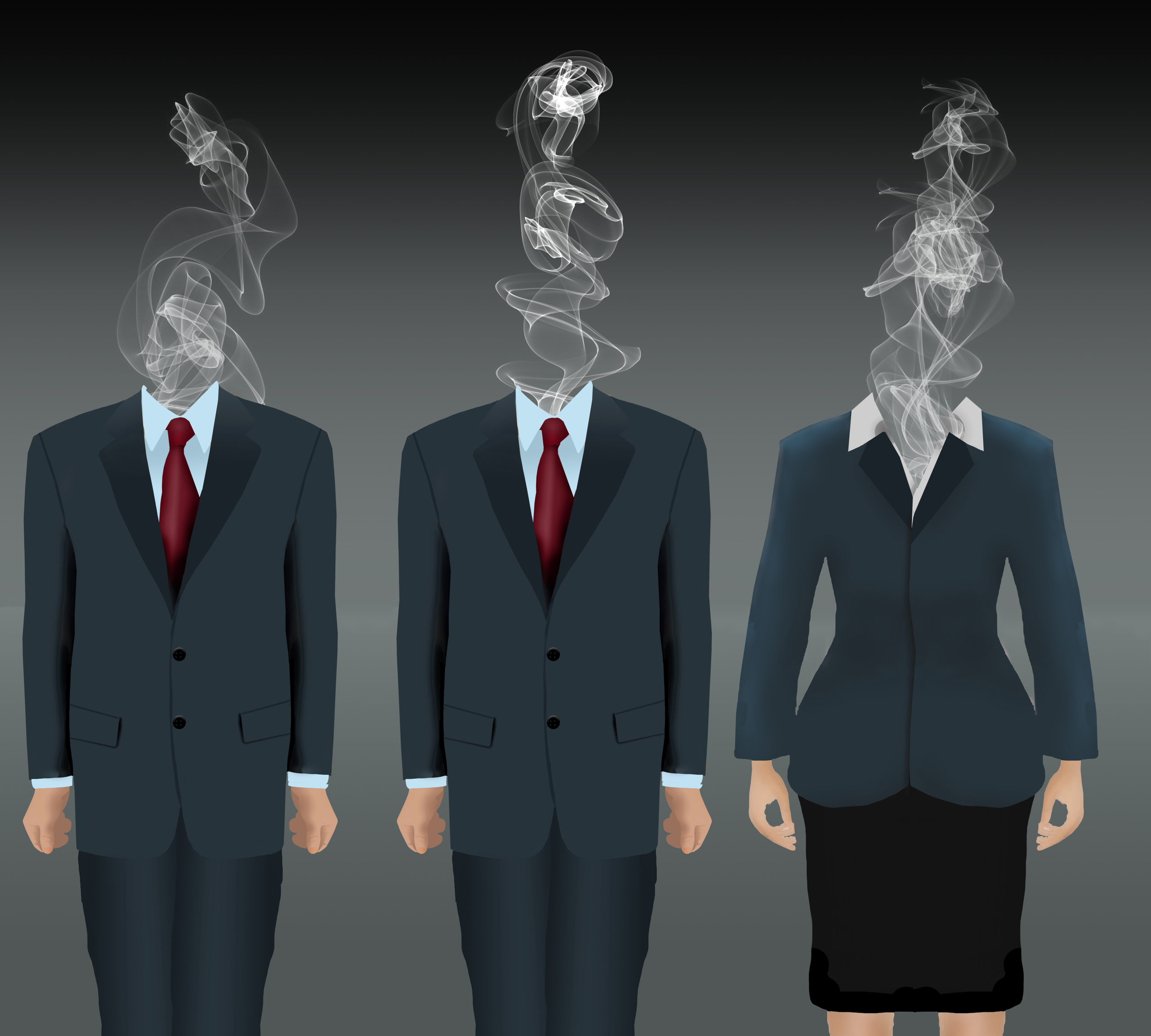
(Deposit Photos)
Why Your Best Employees Are Quietly Losing Their Edge
Jaime Raul Zepeda of Best Companies Group//June 9, 2026//


One of the best jobs I ever had was also quietly killing me.
Plush role inside a big company. Gourmet meals all day. The kind of position most people would give a leg for. The people were great, but the org was so deep that my role stayed narrow and shallow. The resources were so good I started leaning on them instead of my own instincts. The work was interesting until the learning curve flattened. After that, it was just something I did between gourmet lunches.
It was a wonderful workplace. It wasn’t right for me.
I was losing my edge and didn’t realize it until I was already dull.
The conversation about modern work is stuck in two camps, and both are wrong.
The hustle camp tells you to grind 14-hour days, 10x your output, and optimize every minute. It produces big achievements and bigger burnouts. Deloitte found 77% of professionals are burned out at their current job.
The comfort camp tells you to act your wage, do what’s required to keep your job, and prioritize wellness above everything else. It produces low blood pressure and a slow corrosion you don’t notice until you can’t remember the last time you were proud of something you built. Gallup finds somewhere between a third and half of workers are experiencing “boreout:” chronically under-challenged at work.
If you’re not crashing, you’re corroding.
Both camps produce people who’d struggle to tell you what they’re getting better at. They look like opposites. They’re the same trap.
There’s a third thing.
Mihaly Csikszentmihalyi called it flow, the state you enter when the challenge in front of you is slightly bigger than what you’re sure you can pull off, and your skills are just barely enough to meet it. Time goes elastic. The work pulls you in. You stop watching the clock because the clock stops mattering.
You’ve been there. You probably weren’t trying to be happy when you were. You were trying to figure out the recipe, or the deck or the hard conversation. Happiness was the dividend, not the goal.
This is what people actually want from work. The feeling of walking out Friday a little more capable than they walked in on Monday.
So why do most companies keep picking a camp instead of building the third thing?
Because the camps are easier to staff and easier to advertise. “We’re a high-performance culture” and “we’re a wellness-first culture” both fit on a careers page. “We grow people through calibrated stretch” doesn’t. The camps let leaders manage to hours, OKRs, perks, and NPS scores — clean numbers, legible metrics, defensible decisions.
Supported stretch requires a manager who actually knows the person across the desk well enough to hand them a problem sized for who they are, this quarter, this week. That’s slow, expensive, and impossible to scale by memo.
The two camps are a shortcut around the hardest part of leadership: paying attention to one specific human.
Early in my career, I was terrified of public speaking. Any speech — two minutes, five people — gave me hives. I’d stress for days and not enjoy a second of the actual moment.
When I realized I couldn’t grow without fixing this, I started hunting stretch on purpose. Toastmasters. One-minute speeches, then five-minute speeches, then impromptu, then persuasive. Supported enough to survive each round. Stretched enough that the next round was always slightly bigger than the one before.
That’s the model. Supported stretch. The thing comfort can’t give you and grind can’t sustain.
The data is telling us something leaders don’t want to hear. Burned out on one side. Bored out on the other. A shrinking middle where people are actually growing.
The fix isn’t a new benefits package or a harder performance review cycle. It’s harder than that. It’s a manager who knows their people well enough to match them to problems that fit. Not too safe, not too crushing.
That’s what people are asking for when they leave for another job, when they phone it in, when they say they’re disengaged. They’re not asking for easier. They’re asking for the chance to get better.
That’s the thing no careers page can advertise. And it’s why we keep ducking it.
Jaime Raul Zepeda is Executive Vice President and Principal Consultant at Best Companies Group, a research firm operating 60+ employer recognition programs across North America. He writes about the intersection of organizational culture and business performance. You can connect with him on LinkedIn or via email at [email protected].
Related Articles



Polls
 Loading ...
Legal Tech
- How ransomware tactics against law firms are changing
- How large language models are leveling the personal injury playing field
- Attorney Share, Lawmatics integrate to automate law firm referrals
Legal News
- Bond set at $10,000 for Marquette student charged in teammates’ deaths
- Kaul tops Toney in AG fundraising race
- Johnson Creek officer investigated after OWI arrest
- Appeals court voids Sister Bay rental bedroom limit
- Bucks sue Lesaffre Yeast over ticket payments
- Four convicted in credit union fraud case
- New dedicated coverage of tech challenges facing law firms
Case Digests
- Protective Placement-Sufficiency of Evidence
- Insurance Coverage Exclusions-Policy Interpretation
- Writ of Mandamus-Public Records Law
- Statute of Limitations-Notice of Claim Requirements
- Contempt of Court-Family Law
- Void Lease-Periodic Tenancy
- Landlord Tenant Law-Rent Recovery
- Double Jeopardy-Criminal Procedure
- OWI-Probable Cause
- Injunction bonds-Forfeiture
- Sufficiency of Evidence-Right to Testify
- Postconviction Relief-Procedural Bars