Free Newsletter

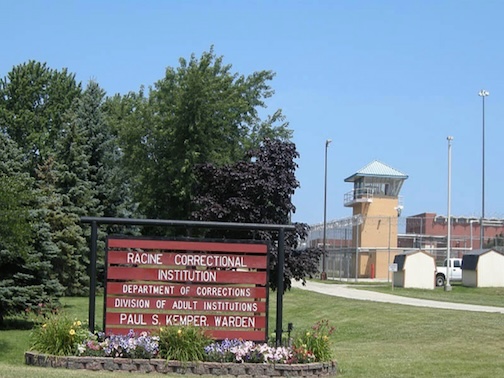
Racine Correctional Institution in Sturtevant is pictured in this file photo. (USA Today Network photo)
Aging prison population drives Wisconsin corrections costs
USA Today Network//April 21, 2026//


IN BRIEF
- Wisconsin’s prison population is aging rapidly, with inmates 60+ nearly doubling since 2000.
- Truth-in-sentencing laws are keeping people incarcerated longer without parole.
- OWI and violent crime convictions have significantly increased prison admissions.
Wisconsin’s prison population is growing steadily older, which is likely to further exacerbate the state’s corrections spending in the coming years, according to a new report by the Wisconsin Policy Forum.
The report, released April 21, used state and federal data between 2000 and 2024 to analyze Wisconsin’s prison system.
The new findings come as state officials are embarking on a multi-million-dollar effort to overhaul Wisconsin’s prison system. Both the Green Bay Correctional Institution and Waupun Correctional Institution have faced calls for closure for years amid deaths of incarcerated residents and reportedly inhumane living conditions.
As of 2022, Wisconsin’s spending on corrections was the 12th highest of all the states, the report found.
Other findings include a notable increase in the numbers of people with intoxicated driving offenses and people whose most serious offense was a violent crime. Racial disparities also persist among the Wisconsin prison population, with a particular increase in the incarceration rates of Native American people in recent years.
Here are some other key takeaways from the report:
The incarceration rate among adults 60 years and older nearly doubled in Wisconsin between 2000 and 2023, the report found.
That’s at least partially due to Wisconsin’s truth-in-sentencing law, which took effect in 2000 and essentially eliminated parole for people convicted after that year. The law requires prisoners to serve 100% of their sentences, plus a post-release extended supervision period – meaning more people are aging in Wisconsin’s prisons as they serve out their full sentences.
The state has taken on the additional costs of an aging prison population, according to Andy Tisdel, a researcher with the Wisconsin Policy Forum. In 2023, the Wisconsin Department of Corrections opened a $7 million assisted needs unit at the Oakhill Correctional Institution in Fitchburg.
“With longer sentences, you have people aging into their 60s and 70s in prison, and that will have higher medical costs for the state,” Tisdel told the Journal Sentinel.
Notably, new admissions also played a role in the rising incarceration rate among older adults. More older adults are being convicted of violent crimes, operating while intoxicated, or OWI, charges, and other public order offenses, the report found.
Wisconsin’s prison population grew by about 9% between 2000 and 2023, with especially notable increases in incarcerations for OWI offenses and violent crimes.
The number of adults incarcerated for intoxicated driving more than quadrupled between 2000 and 2023, the report found. In particular, the number of adults over 50 incarcerated for OWI offenses surged from 65 to 1,149 in that period.
Similarly, the number of adults whose most serious offense was a violent crime jumped by 28% between 2000 and 2023. That could partly be due to the documented jump in violent crime during the pandemic, according to Joe Peterangelo, research director at the Wisconsin Policy Forum.
For both the OWI and violent crime increases, Peterangelo said “it’s difficult to determine how much that is a difference in how our criminal justice system is operating and how much is a difference in how people are behaving.”
The report also bore out years of research on the disproportionate incarceration rate among Black Wisconsinites.
Wisconsin has the second-largest disparity of any state between its Black and White incarceration rates, especially in Milwaukee, where two-thirds of the state’s Black residents reside.
However, the report also found the rate of Black adults entering prison has fallen over the past few decades: in 2024, 8.9 of every 1,000 Black residents entered prison in Wisconsin, compared to a rate of 13.2 per 1,000 residents in 2000.
In that same period, the prison admissions rate among Native American residents in Wisconsin grew from 6.8 to 11.6 per every 1,000 residents. Previous research has found Native Americans are often sentenced more harshly than other ethnicities, particularly in states with higher Indigenous populations.
Related Articles
Related Content




Polls
 Loading ...
Legal News
- Judge: Wisconsin absentee voting violates ADA
- Appeals court rules Enbridge Line 5 is trespassing
- Green Bay city clerk resigns amid absentee ballot scrutiny
- Former Epic employee sues over noncompete agreement
- Supreme Court approval remains below 50%, poll finds
- AI transforms family law but raises new legal concerns
- Illinois man gets prison for $1.2M employment tax fraud
Case Digests
- Termination of Parental Rights-Reasonable Efforts
- Family Law- Appellate Procedure
- Involuntary Administration of Medication-Mootness Exception
- Voluntary Consent to blood Draw- -Fourth Amendment
- Expert Testimony-Medical Malpractice
- Habeas Corpus-Bond Eligibility-Immigration Detention
- Fair Credit Reporting Act
- Copyright Infringement-Tortious Interference
- Tribal Land Trespass-Unjust Enrichment
- Fourth Amendment-Automobile Exception
- Age Discrimination in Employment Act-But For Causation
- Class-of One Equal Protection Claim-Breach of Contract
Legal Tech
- AI is reshaping family law practice, but attorneys worry about DIY research
- Massachusetts court rejects work product protection for AI documents by girlfriend
- Exterro launches on-premises AI platform for digital forensics