Free Newsletter

SCOTUS refuses to review sentence in school shooting
The U.S. Supreme Court has declined to review the nearly 112-year prison sentence of a man who fatally shot his parents before killing two students and wounding two dozen others at an Oregon high school more than 20 years ago.
Politically charged census case heads to SCOTUS
Newly sworn in Supreme Court Justice Brett Kavanaugh may face his first politically charged case after a federal appeals court on Tuesday ordered Commerce Secretary Wilbur Ross to be deposed about putting a citizenship question on the 2020 census.
Bitter fight over Kavanaugh shadows a conservative court
The moment conservatives have dreamed about for decades has arrived with Brett Kavanaugh joining the Supreme Court.
Kavanaugh stresses independence: ‘No one is above the law’
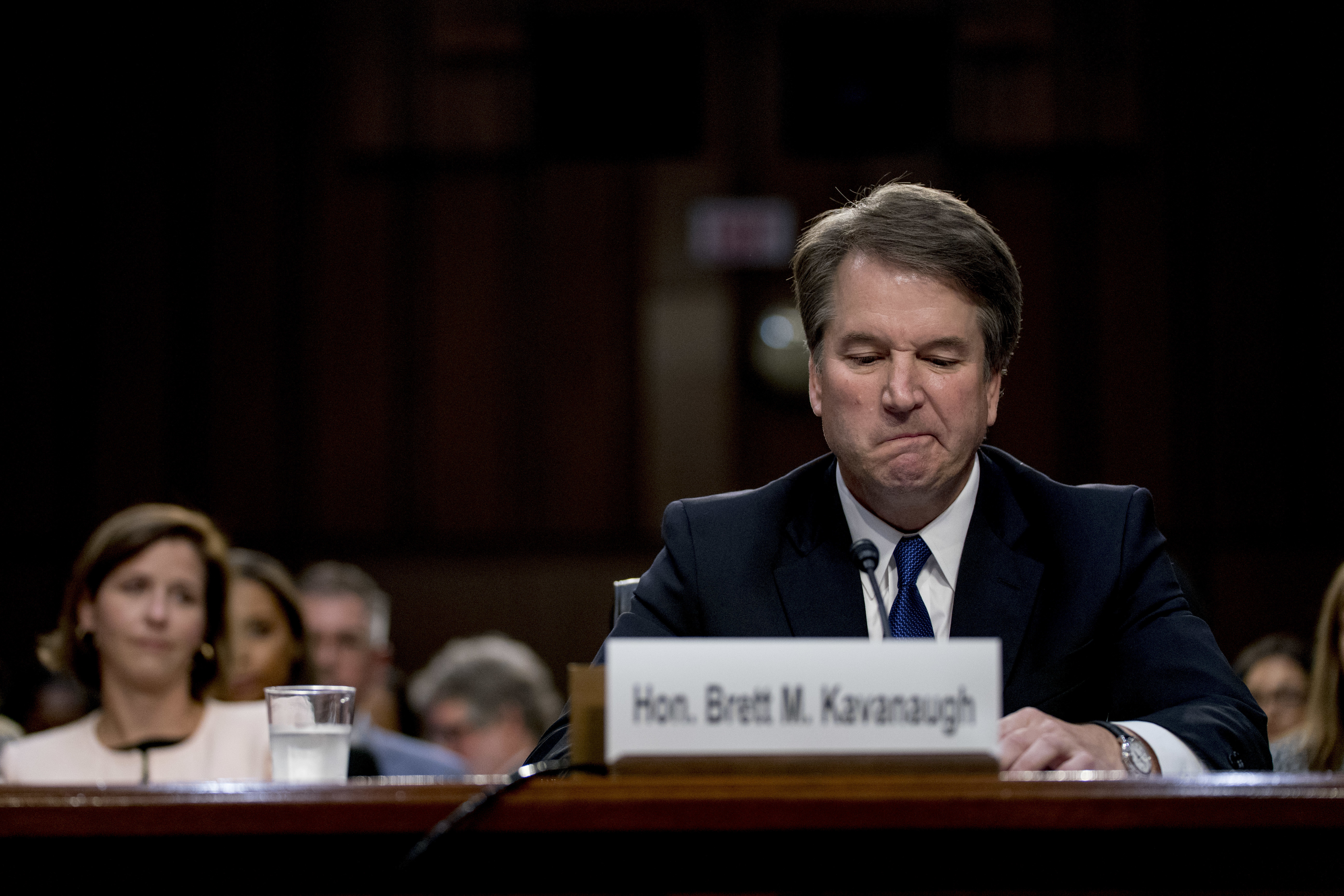
U.S. Supreme Court nominee Brett Kavanaugh repeatedly stressed the importance of judicial independence as he faced questioning at his confirmation hearing on Wednesday.
Q&A: Why all the fighting about Kavanaugh’s records?
Senate Democrats looking to win the battle of public opinion over Supreme Court nominee Brett Kavanaugh are essentially accusing Republicans of concealing evidence to ensure his confirmation before the midterm election.
Vukmir promises to meet with all Supreme Court nominees
MADISON, Wis. (AP) — Republican U.S. Senate candidate Leah Vukmir is promising to meet with all nominees to the U.S. Supreme Court. Vukmir made the promise on Tuesday as confirmation hearings for Supreme Court nominee Brett Kavanaugh were set to begin. Vukmir’s position is a contrast with that of her opponent, Democratic Sen. Tammy Baldwin. […]
Chaos marks start of Kavanaugh confirmation hearing (UPDATE)
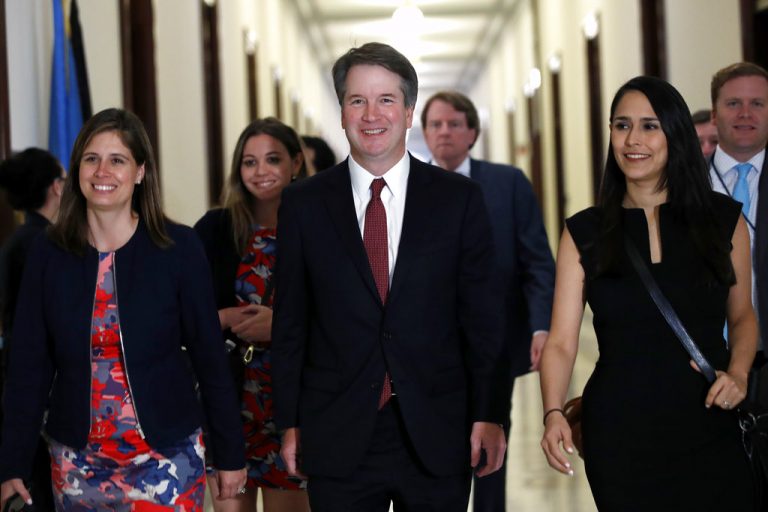
Supreme Court nominee Brett Kavanaugh promised Tuesday to be a "team player" if confirmed to the closely divided court, declaring that he will be a "pro-law judge" who won't decide cases based on his personal views.
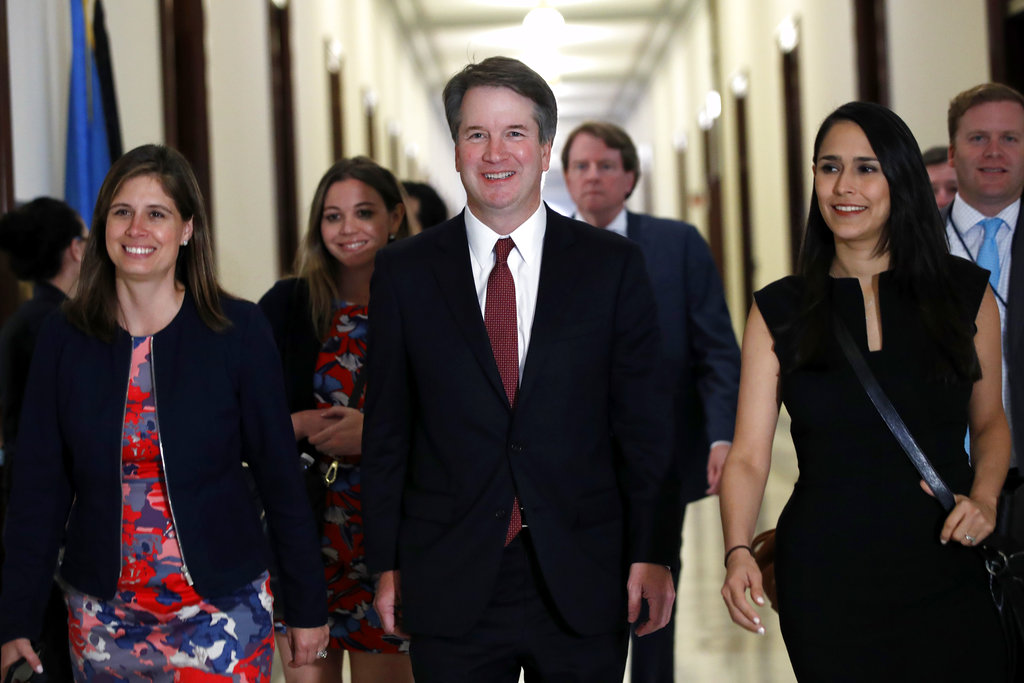
Could hard-right Supreme Court haunt GOP? History says maybe
Be careful what you wish for.
US Supreme Court to hear arguments over whether inmate with dementia can be executed
The U.S. Supreme Court will hear arguments in October over whether Alabama can execute an inmate diagnosed with stroke-related dementia who lawyers contend can no longer remember killing a police officer in 1985.
Kavanaugh’s women law clerks hail court pick as ‘advocate’
Women who have served as law clerks for Judge Brett Kavanaugh have written a letter to the Senate Judiciary Committee encouraging the U.S. Supreme Court nominee's confirmation.
Sen. Johnson: Abortion not ‘litmus test’ for nominee
Wisconsin Republican Sen. Ron Johnson said Monday he has no litmus test on abortion for President Donald Trump's nominee to the U.S. Supreme Court and he hopes the Senate moves quickly to confirm the pick before the November election.
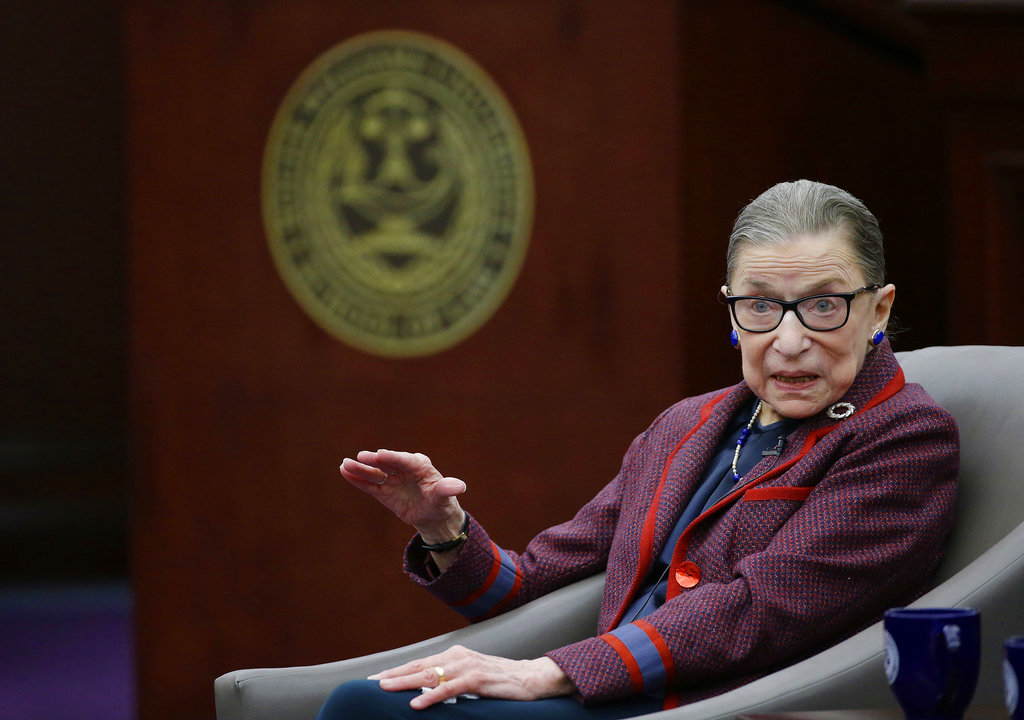
US Supreme Court Justice receives lifetime award in Israel
U.S. Supreme Court Justice Ruth Bader Ginsburg received a lifetime achievement award Wednesday from a prominent Jewish organization in Israel.
Polls
 Loading ...
Legal News
- Some State Bar diversity participants walk away from program
- Wisconsin court issues arrest warrant ‘in error’ for Minocqua Brewing owner
- Iranian nationals charged cyber campaign targeting U.S. Companies
- Facing mostly white juries, are Milwaukee County defendants of color truly judged by their peers?
- Milwaukee Mayor speaks in D.C. Tuesday at White House water summit
- Chicago man sentenced to prison after being caught with ‘Trump Gun’
- FTC bans non-competes
- Gov. Evers seeks applicants for Dane County Circuit Court
- Milwaukee man charged in dismemberment death pleads not guilty
- Democratic-led states lead ban on the book ban
- UW Madison Professor: America’s child care crisis is holding back moms without college degrees
- History made in Trump New York trial opening statements
WLJ People
- Power 30 Personal Injury Attorneys – Russell Nicolet
- Power 30 Personal Injury Attorneys – Benjamin Nicolet
- Power 30 Personal Injury Attorneys – Dustin T. Woehl
- Power 30 Personal Injury Attorneys – Katherine Metzger
- Power 30 Personal Injury Attorneys – Joseph Ryan
- Power 30 Personal Injury Attorneys – James M. Ryan
- Power 30 Personal Injury Attorneys – Dana Wachs
- Power 30 Personal Injury Attorneys – Mark L. Thomsen
- Power 30 Personal Injury Attorneys – Matthew Lein
- Power 30 Personal Injury Attorneys – Jeffrey A. Pitman
- Power 30 Personal Injury Attorneys – William Pemberton
- Power 30 Personal Injury Attorneys – Howard S. Sicula