Free Newsletter

Innocence Project helps free Wis. man convicted of rape
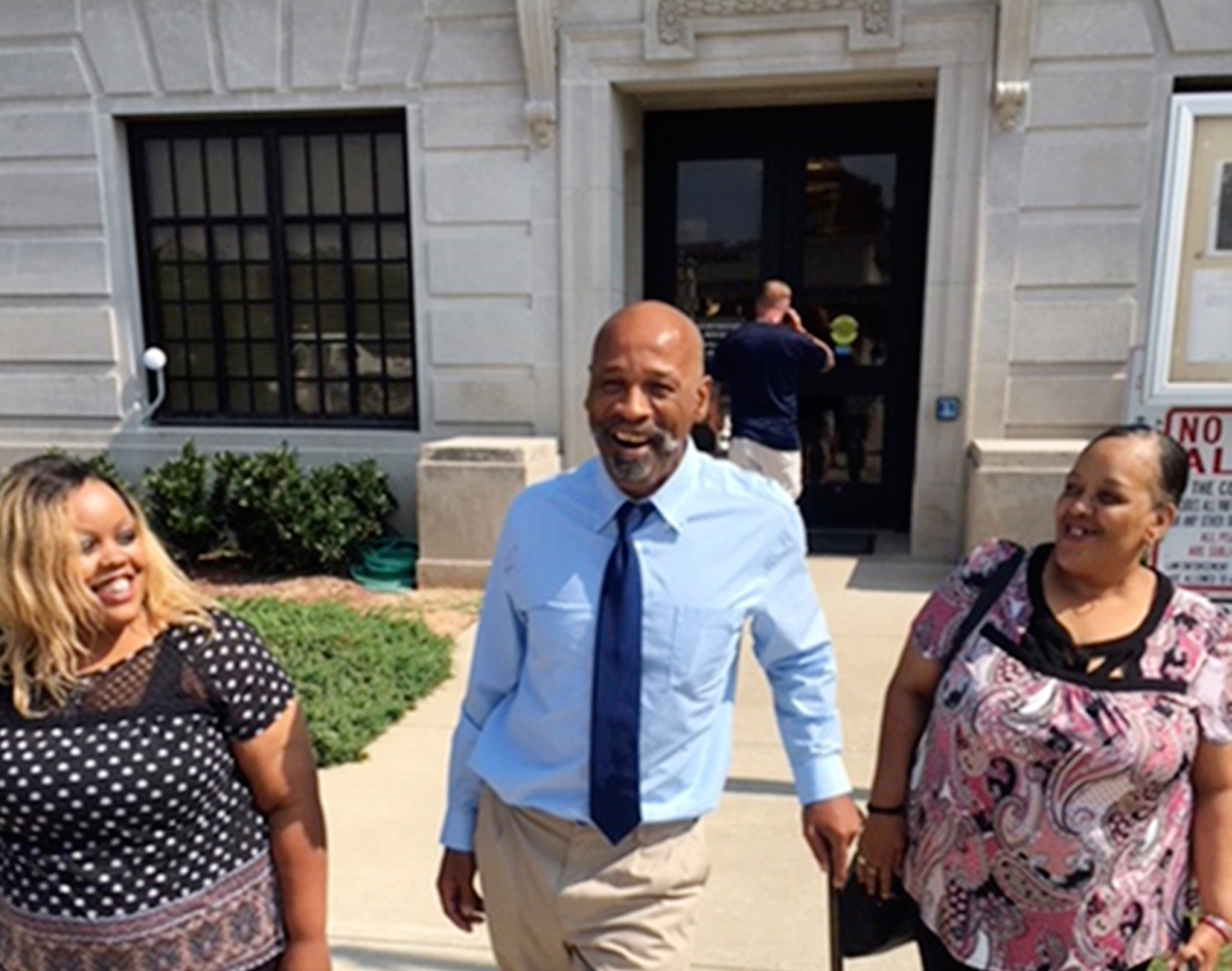
A man who spent more than 30 years in prison for rape in southeastern Oklahoma is traveling home to Wisconsin after the Innocence Project presented DNA evidence it contended excluded him from the crime.
US prosecutors revisiting nearly 5,000 convictions
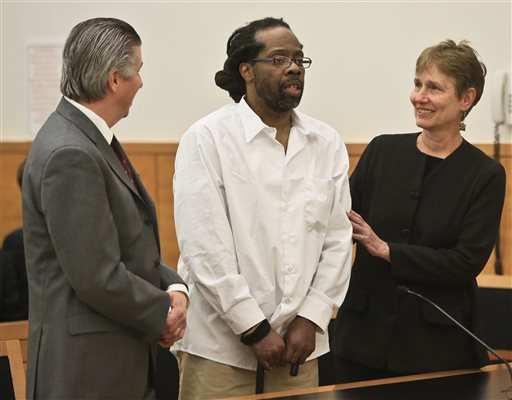
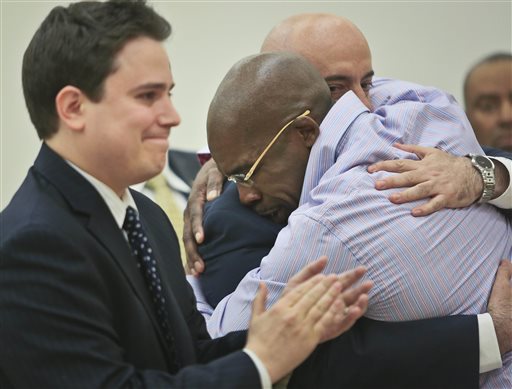
When three half brothers' decades-old murder convictions were thrown out last month, they became a dramatic example of an idea spreading among prosecutors nationwide: "integrity units" dedicated to double-checking convictions to determine whether justice was served.
Legal minds eye quality control for convictions
Hospitals have staff conferences to examine why patients died. Airline pilots have a system for voluntarily submitting information on safety concerns. Yet the life-and-death world of criminal justice often operates without a similar mechanism for probing its most feared failures: wrongful convictions.
Editorial: Making up for lost time
When justly convicted Wisconsin inmates are released, they walk out of prison armed with a written plan for re-entering society and the phone number of at least one state employee who will guide them through the transition.
Bites derided as unreliable in court
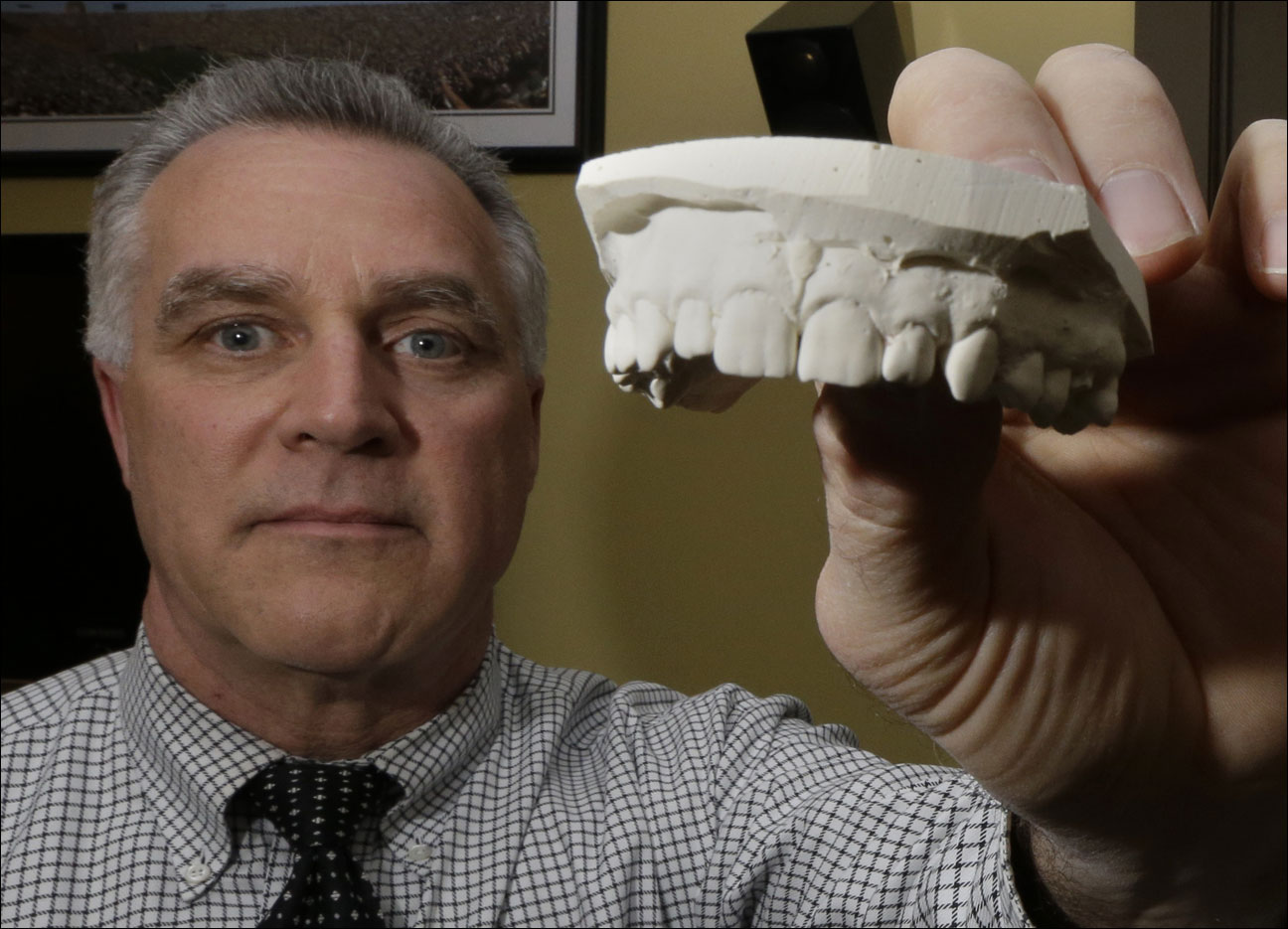
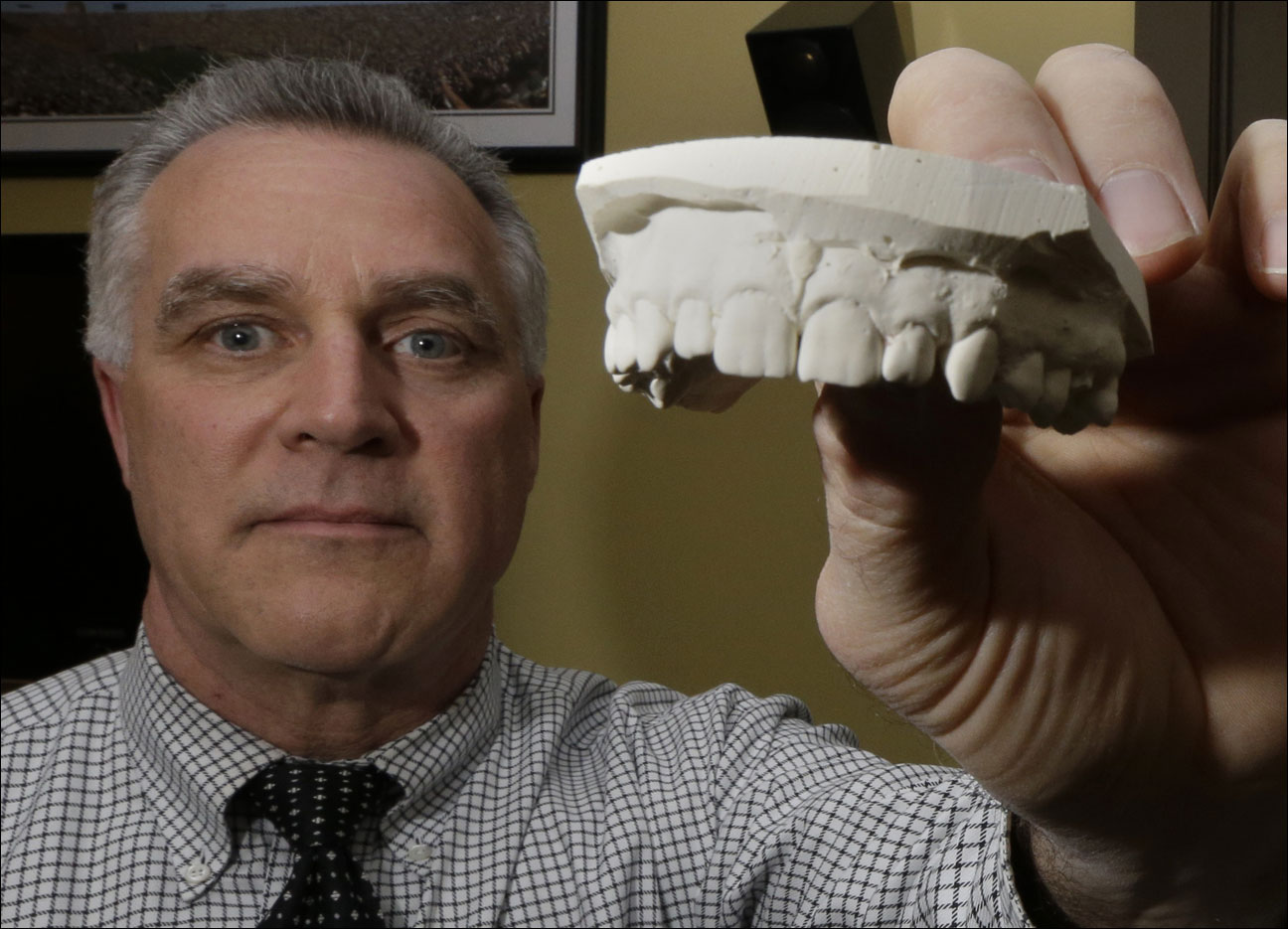 At least 24 men convicted or charged with murder or rape based on bite marks on the flesh of victims have been exonerated since 2000, many after spending more than a decade in prison. Now a judge's ruling later this month in New York could help end the practice for[...]
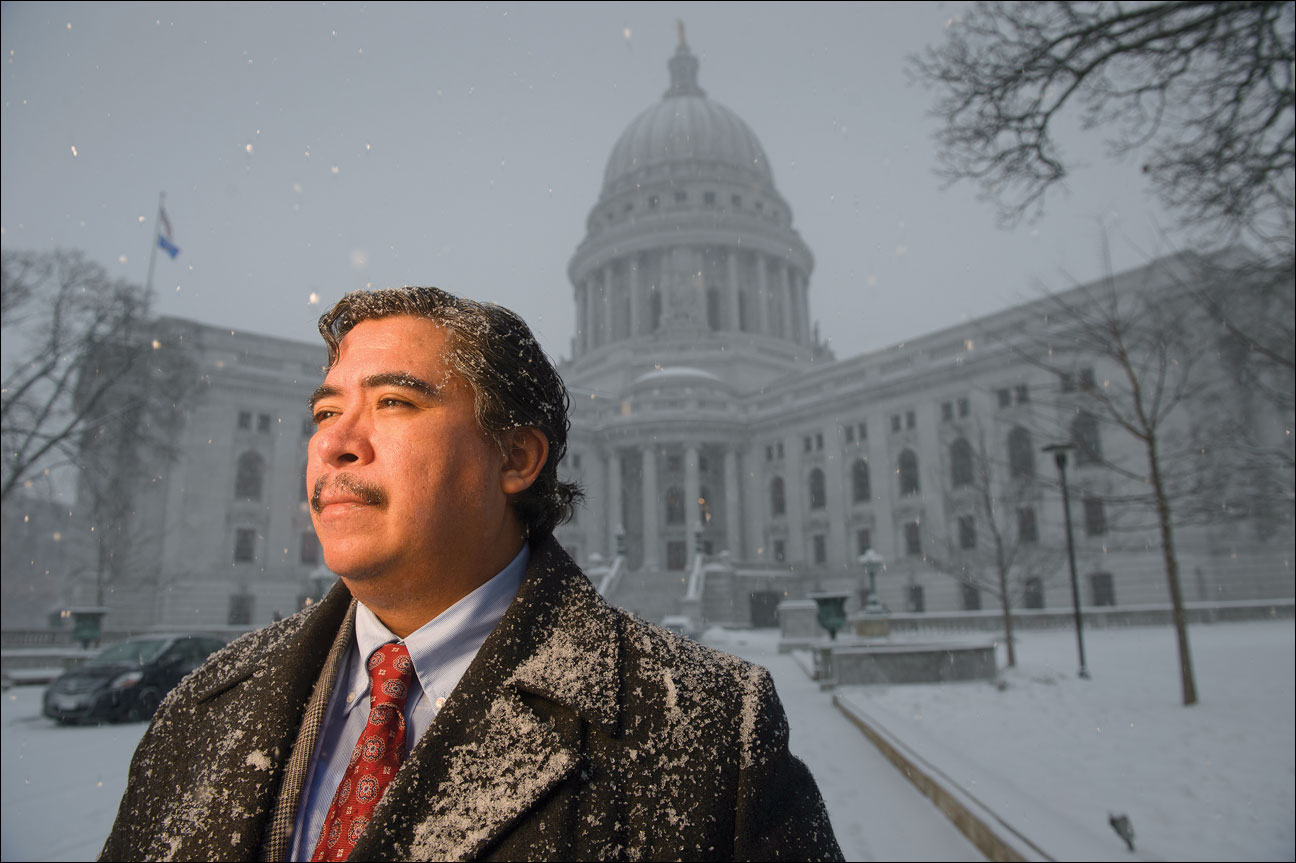
The DNA debate: Justice system divided over expanding collection of genetic evidence
DNA evidence helped put Chris Ochoa behind bars for a murder he did not commit.
State justices to consider Innocence Project appeal
The Wisconsin Supreme Court will hear oral arguments this fall in an Innocence Project appeal, State v. Brian K. Avery, to consider whether new photogrammetry and video enhancement evidence can be presented to a Wisconsin court more than 16 years after trial.
FBI to review lab work on thousands of convictions
The Justice Department and the FBI will review thousands of criminal convictions from over a decade ago for possibly flawed analysis of hair sample evidence.
Court grants new trial for robbery suspect (UPDATE)
By TODD RICHMOND Associated Press MADISON, Wis. (AP) – A man convicted of robbing two Milwaukee grocery stores nearly 20 years ago deserves a new trial because new digital enhancements have raised doubts that he’s really the robber shown on surveillance video, a state appeals court ruled Tuesday. Brian K. Avery was 19 years old […]
Innocence Project: DNA shows wrongful conviction (UPDATE)
By JIM SALTER Associated Press ST. LOUIS (AP) – Innocence Project attorneys cited DNA and other evidence Monday in asking a judge to free a man who has spent nearly three decades in prison for breaking into a St. Louis woman’s home and raping and killing her. George Allen Jr. was sentenced to 95 years […]
Innocence Project gets $1 million in grants
For the second time in three weeks, the U.S. Department of Justice has awarded a grant to the Wisconsin Innocence Project at the University of Wisconsin Law School's Frank J. Remington Center.
Polls
 Loading ...
Legal News
- Waukesha man sentenced to 30 years for Sex Trafficking
- 12-year-old shot in Milwaukee Wednesday with ‘serious injuries’
- Milwaukee man convicted of laundering proceeds of business email compromise fraud schemes
- Giuliani, Meadows among 18 indicted in Arizona fake electors case
- Some State Bar diversity participants walk away from program
- Wisconsin court issues arrest warrant ‘in error’ for Minocqua Brewing owner
- Iranian nationals charged cyber campaign targeting U.S. Companies
- Facing mostly white juries, are Milwaukee County defendants of color truly judged by their peers?
- Milwaukee Mayor speaks in D.C. Tuesday at White House water summit
- Chicago man sentenced to prison after being caught with ‘Trump Gun’
- FTC bans non-competes
- Gov. Evers seeks applicants for Dane County Circuit Court
WLJ People
- Power 30 Personal Injury Attorneys – Russell Nicolet
- Power 30 Personal Injury Attorneys – Benjamin Nicolet
- Power 30 Personal Injury Attorneys – Dustin T. Woehl
- Power 30 Personal Injury Attorneys – Katherine Metzger
- Power 30 Personal Injury Attorneys – Joseph Ryan
- Power 30 Personal Injury Attorneys – James M. Ryan
- Power 30 Personal Injury Attorneys – Dana Wachs
- Power 30 Personal Injury Attorneys – Mark L. Thomsen
- Power 30 Personal Injury Attorneys – Matthew Lein
- Power 30 Personal Injury Attorneys – Jeffrey A. Pitman
- Power 30 Personal Injury Attorneys – William Pemberton
- Power 30 Personal Injury Attorneys – Howard S. Sicula